
Manufacturing
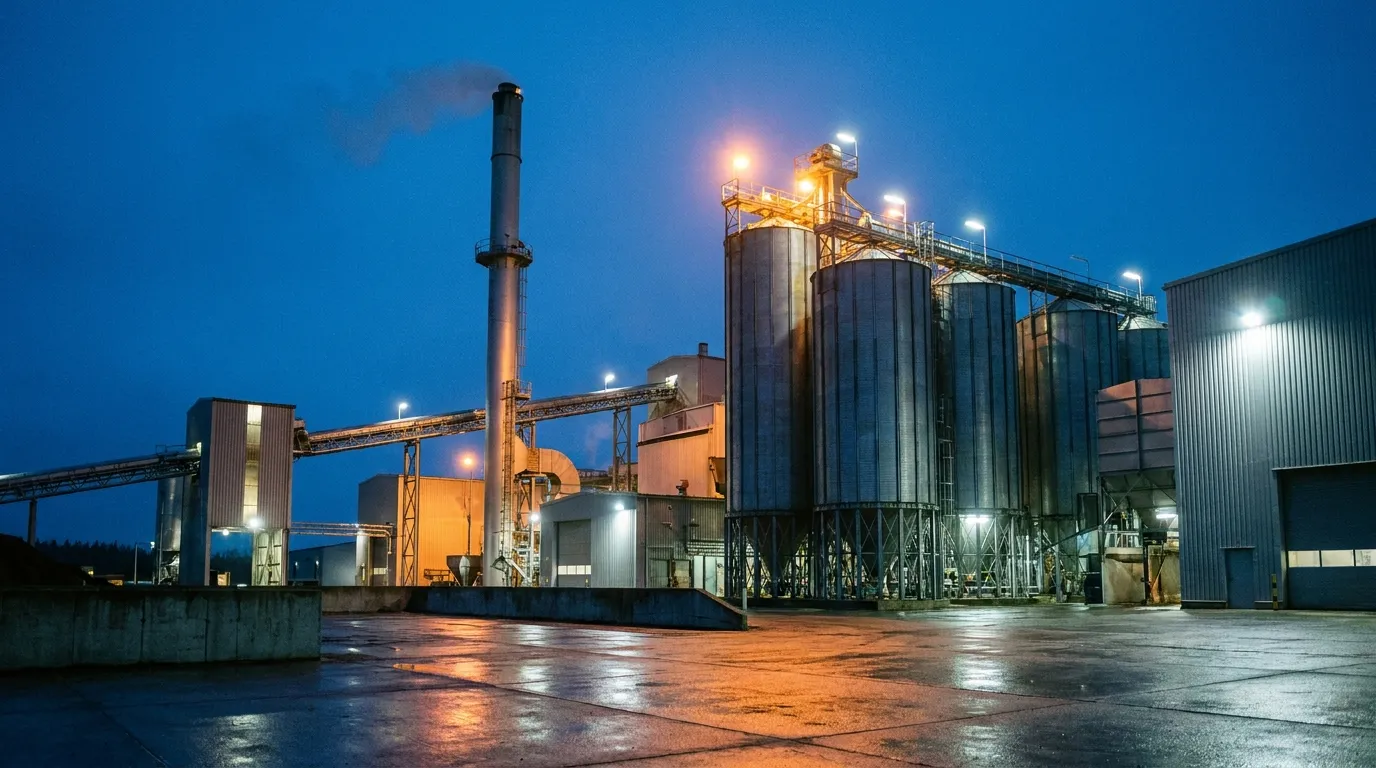
Inputs vary load to load and every machine downstream absorbs it. The drift surfaces on a utility bill a month later rather than as an alarm.
Watched here: Energy per tonne
AI that acts on heat, mass and machinery
One platform that sees everything your operation produces, decides what needs to happen, and, where the physics allows, runs it. Every step pays for itself before the next one starts.
Proof
Koidra won the international Autonomous Greenhouse Challenge twice, in 2018 and again in 2022. Each time the crop ran for months with nobody at the panel. That is the hardest version of the problem, and it is the reason we can use the word autonomous without an asterisk.
The platform
Most operations start by seeing themselves, or by moving maintenance off a whiteboard. Each step is a complete product with its own payback, and each one makes the next possible.
What autonomous operations actually takes, or see how the steps fit together.
Koidra holds process sensors, energy meters, equipment history, maintenance work and the readings operators type on their phones in one place, against the same equipment and the same production batch. Most plants have this data. Almost none have it joined up, which is why almost none can automate anything above a single control loop.
Our models are grounded in how heat, mass and machinery actually behave, rather than fitted to last quarter's numbers. The model knows a dryer cannot heat faster than its mass allows, so it never proposes it.
That is what makes an autonomous decision safe enough to trust with a live plant, and it is where our research heritage sits.
How it works
A sensor value and a number an operator types are the same shape to the platform. That is why an alarm can fire on a hand-entered moisture reading, and why a trend can open a work order before anyone notices it.
Industries
Inputs vary load to load and every machine downstream absorbs it. The drift surfaces on a utility bill a month later rather than as an alarm.
Watched here: Energy per tonne
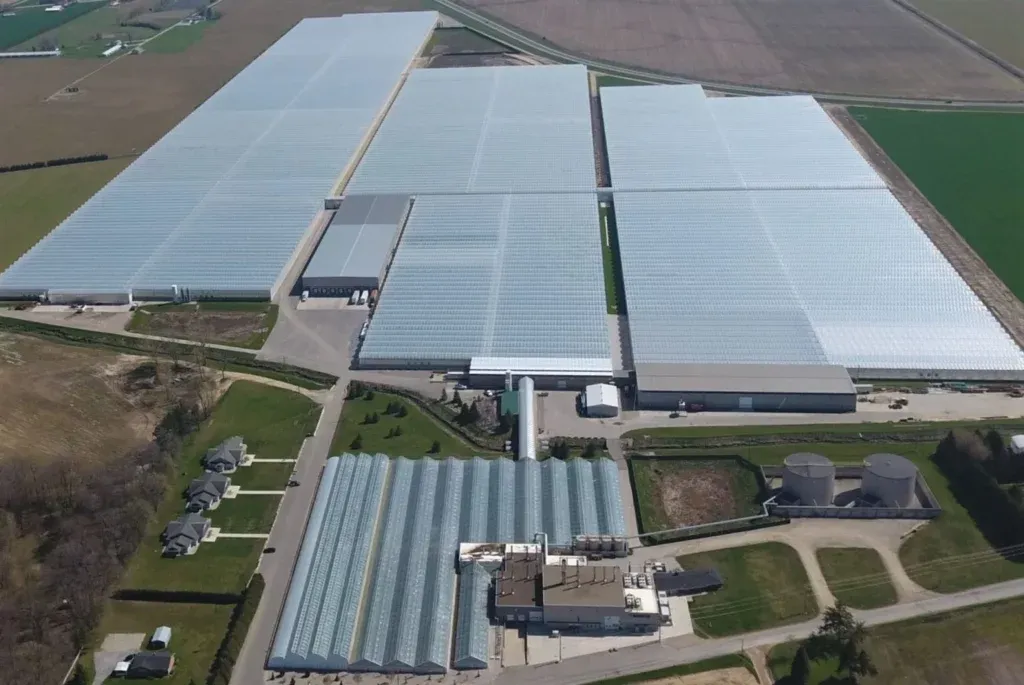
Yield is what the year turns on, and it still depends on which grower is on shift. Light and heat follow the same setpoints nobody has revisited since last season.
Watched here: Yield per square metre, and energy per kilo
Cooling is the largest controllable cost in the building, and setpoints are still tuned by hand against a comfort margin nobody has revisited.
Watched here: PUE and approach temperature
Bring a week of readings from one line. We will show you what the platform sees, what it would have flagged, and what it would have scheduled.
Book a demo