
Industrial Control Logic On-the-Fly
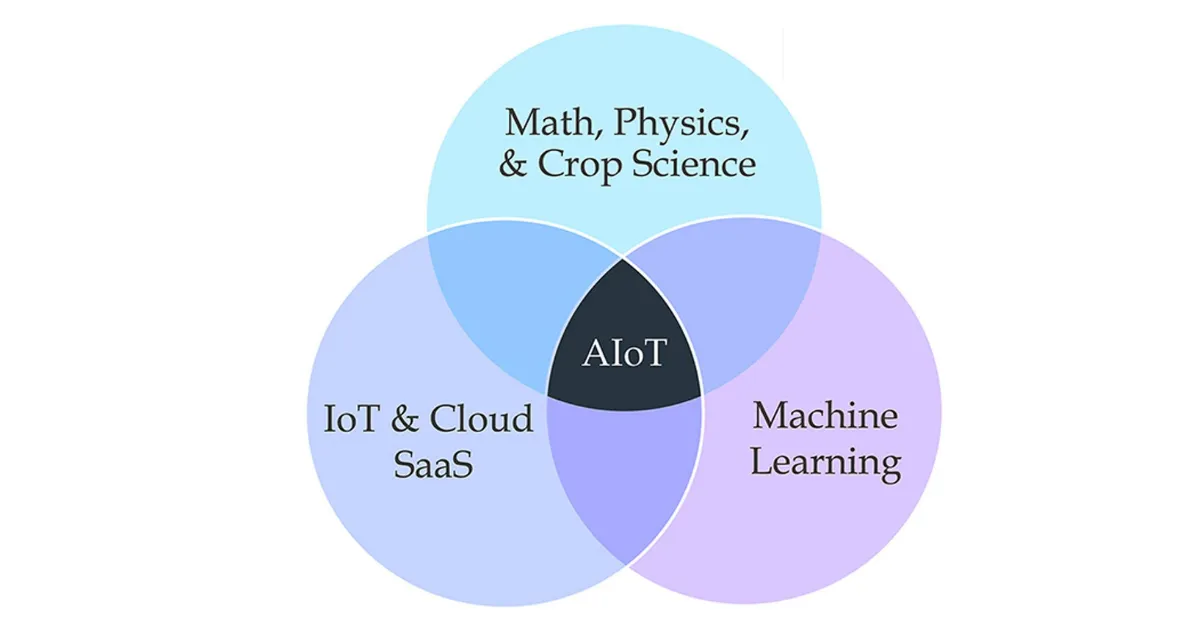
Koidra combines machine learning, IoT, math, and physics to automate operational precision
Original article on automationworld.com

Select excerpts from the article
According to Tran, who for several years was a principal research engineer working on machine learning algorithms at Microsoft, there is a basic problem that impairs operational efficiency. It stems from the machine controller, that PLC that has behaved the same way for decades, which follows static, hard-coded instructions implemented by automation engineers during the time of project development. It is hard to update that PLC ladder logic that executes the program.
Meanwhile, however, depending on who is operating the machine, what data is being collected, and the environmental conditions, the machine runs differently. This lack of consistency is hard to overcome.
This became clear to Tran while he was working at his family’s biomass production facility in Vietnam which was built with traditional PLC, HMI, and SCADA technology. The dryer machines, for example, were not operating efficiently, and when he would ask operators why, they gave different answers. He couldn’t figure it out on his own either because the PLCs were not equipped to receive data from different sources and therefore could not present the big-picture view of what was going on in a format that was understandable.
So Tran was on a mission to improve the processes without getting into the weeds of complex and expensive programming. Instead, he pulled the PLC source data to an edge computer running artificial intelligence IoT software, which added sensor data and operational parameters. Without getting into the ladder logic, they were able to apply a low-code language to improve control logic and algorithms for optimizing operations.
The Koidra decision intelligence platform solves the problem associated with antiquated industrial automation that sits static in ladder logic programs, and the data silos that lack interoperability among machine control systems. It also creates scalability and easy operational interfaces for unskilled workers.